TRAIL GUIDE ACCESS AND STEWARDSHIP
The Rules That Keep Backroads Open
Stay on the route. Yield. Protect wet ground. Leave the place ready for the next driver.
A line on a map does not give permission to drive it.
The local rule comes first.
Read the current land-manager map, closure notice, permit rule, fire restriction, and vehicle rule. A route that was legal last year can be closed today. A line on an app does not give permission to drive it.
Stay on the designated route.
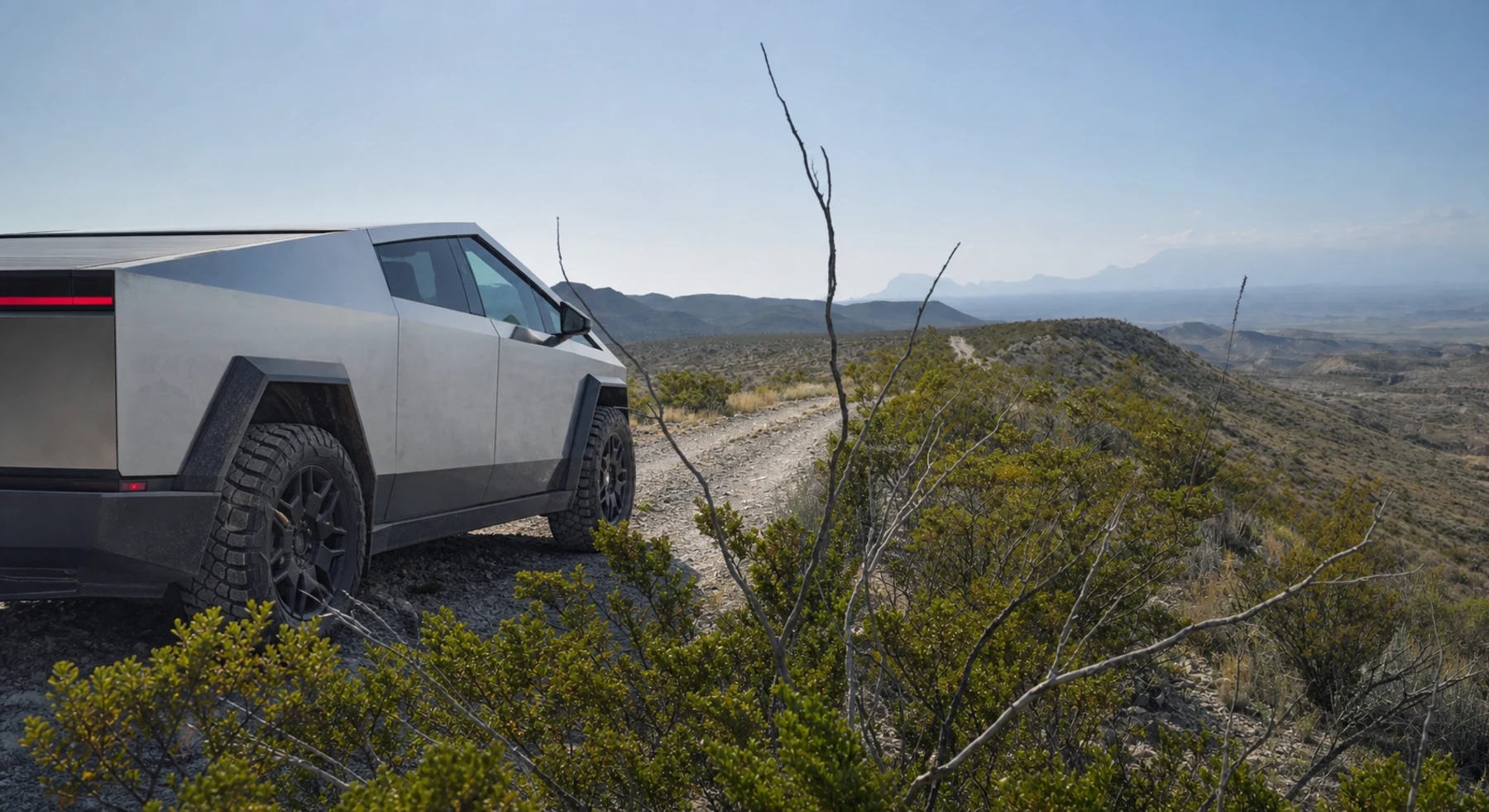
Keep every tire on the marked road or trail. Go over a small obstacle when it is safe. Do not drive around it and make the trail wider. Do not cut a switchback. Do not make a new bypass.
Protect wet ground.
Do not enter a muddy road when your tires will make deep ruts or damage the surface. Do not drive in a wash when rain or flash flooding is possible. Turn around before the damage starts.
Yield and make space.
Slow down for hikers, cyclists, horses, and other vehicles. Give the uphill vehicle the right of way when local rules do not say otherwise. Stop only where another user can pass and where the ground is durable.
Leave gates and property as you found them.
Do not cross a closed gate or a private boundary. Leave an open gate open and a closed gate closed. Do not block a gate, road, campsite, or trailhead.
Do not change the obstacle.
Do not stack rock, move signs, cut plants, or remove trail markers. If a line does not fit the vehicle, use an official bypass or turn around.
Protect sensitive places.
Do not drive on biological soil crust, meadows, wetlands, lake shores, or cultural sites. Do not touch or remove artifacts, fossils, structures, or rock art.
Use a spotter and safe recovery.
Stop before a blind ledge or crest. Agree on hand signals. Keep people out of the path of the vehicle, winch line, strap, and moving rock. Use rated recovery points and equipment.
Keep the group small and calm.
Leave enough space to stop. Do not race, spin tires, or create dust near people and camps. Wait at each turn until the vehicle behind you can see the correct route.
Pack out waste.
Take out trash, food, human waste, and pet waste as required. Use a fire only where it is legal and safe. Clean tires and equipment to reduce the spread of invasive plants.
Use the EV advantage.
An EV is quiet. Slow down and make your presence clear at a blind corner or near people and animals. Use controlled speed on descents. Keep a separate energy reserve for the return, weather, and a blocked exit.
The finish is optional.
Turn around when the road, weather, vehicle, driver, battery, or daylight no longer matches the plan. A careful turnaround protects access and gives you another day to return.